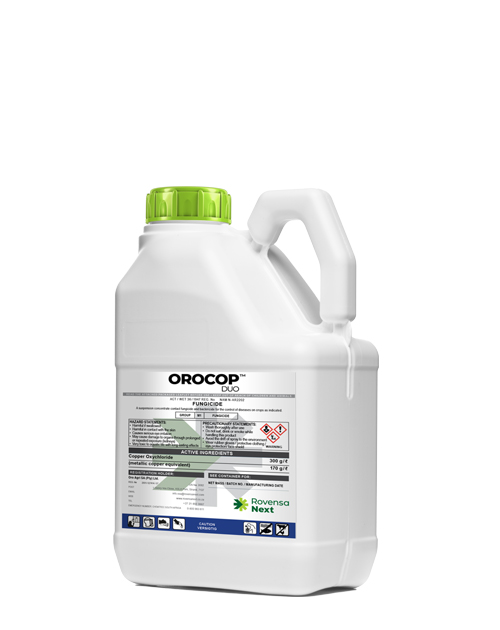
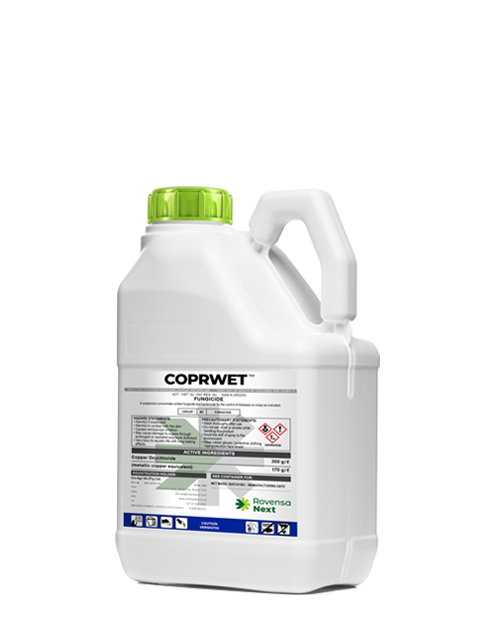
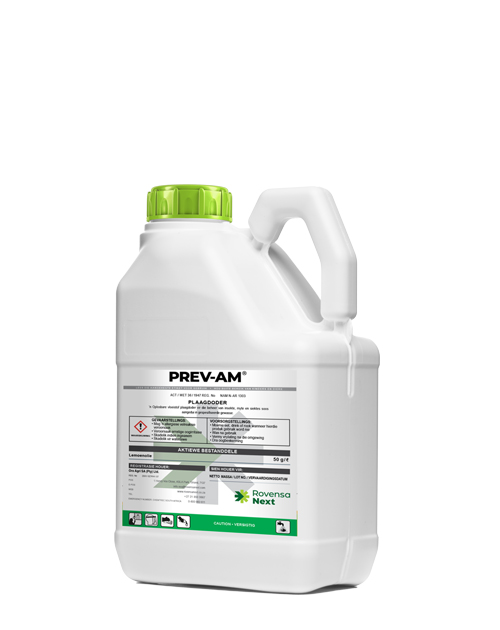
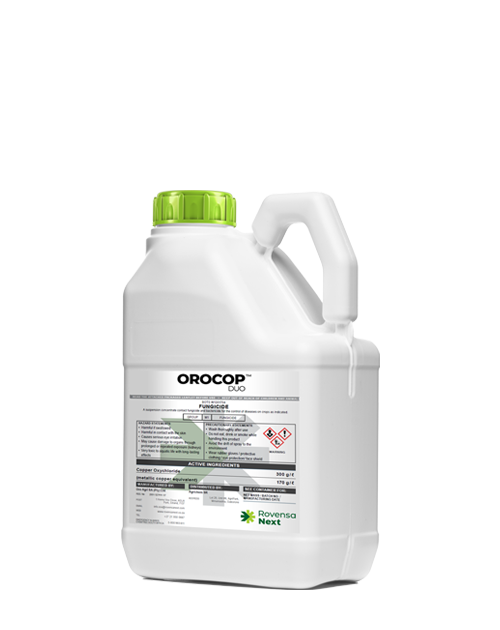
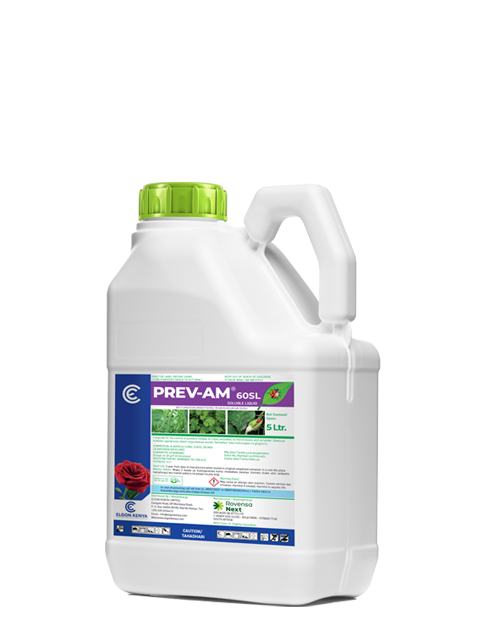
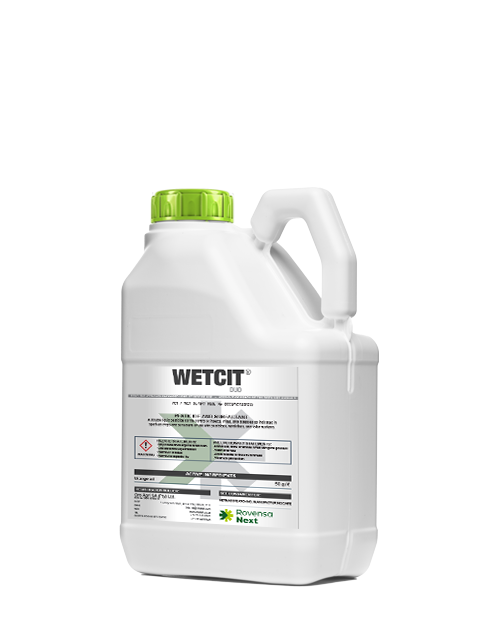
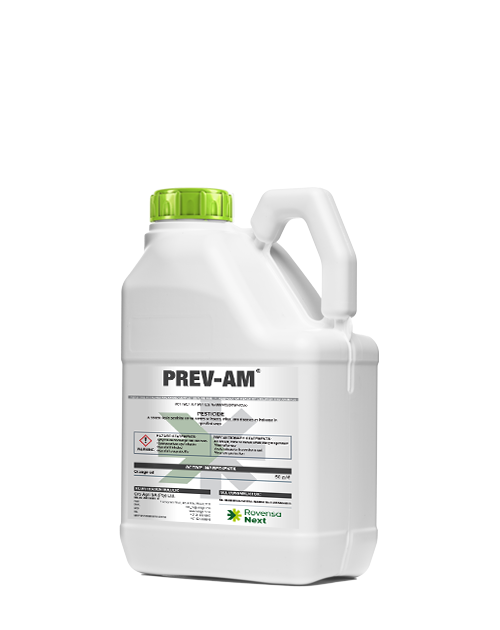
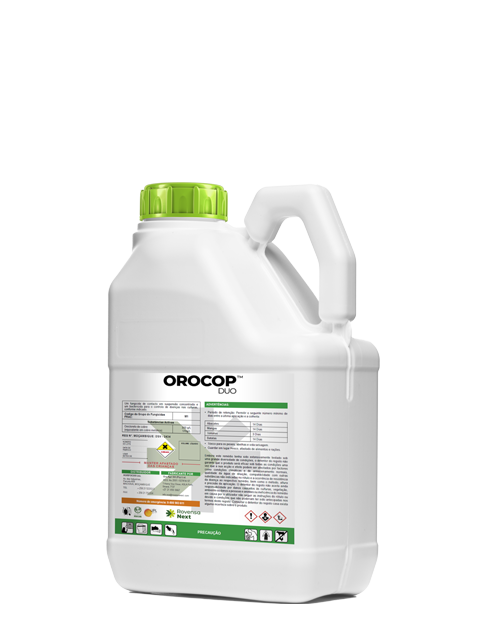
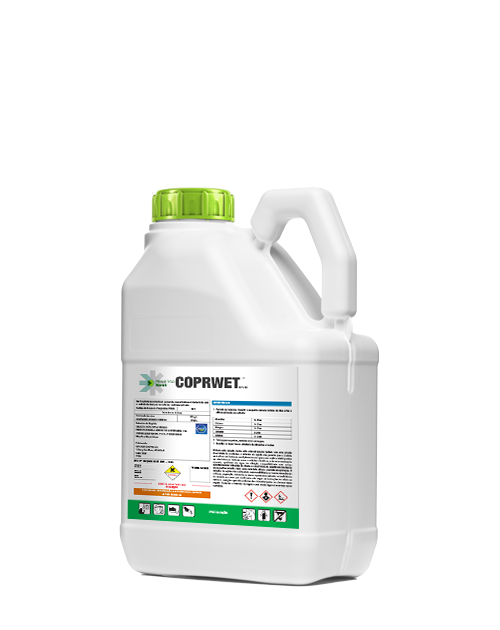
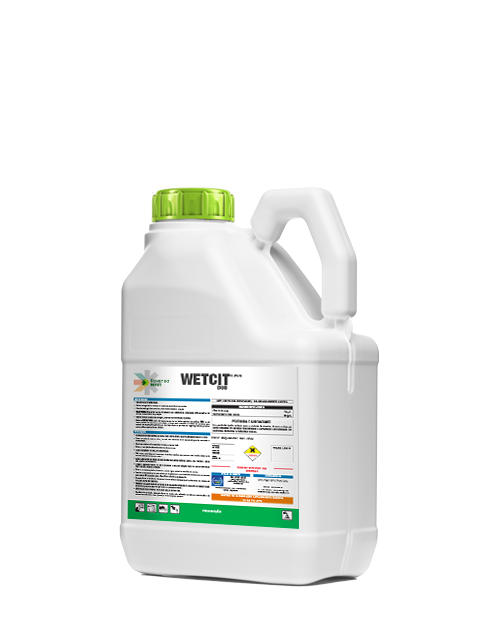
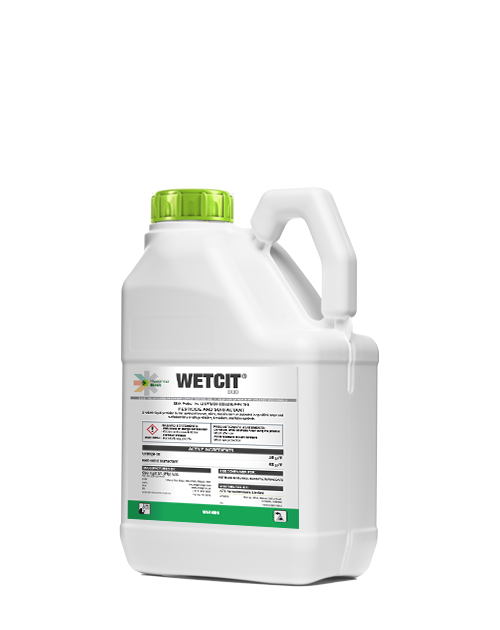
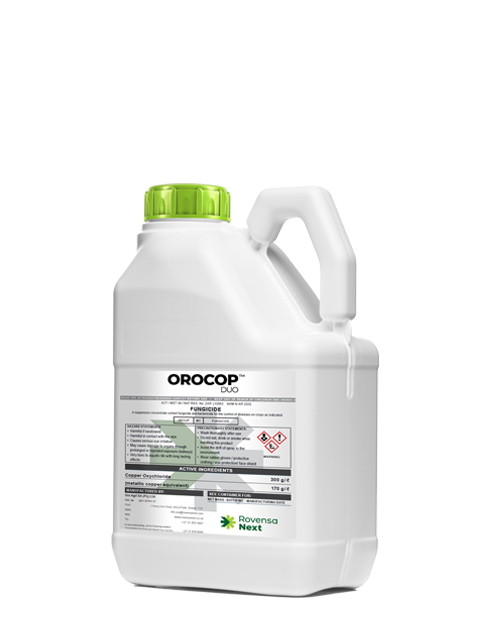
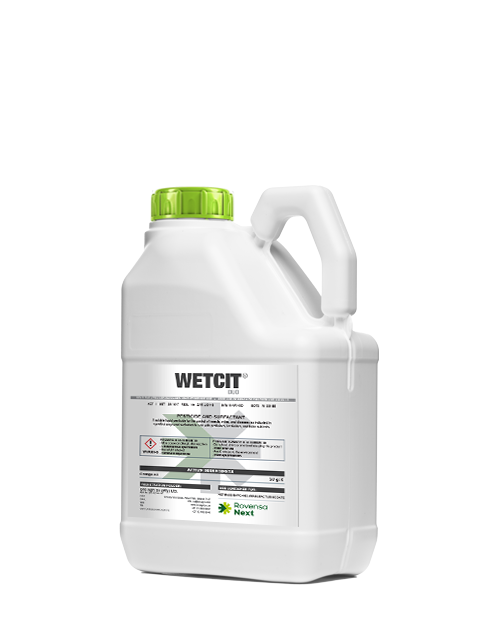
Biofungicides are biological agents used to prevent or reduce plant diseases caused by pathogenic fungi and bacteria. Using beneficial microorganisms or natural substances, they help protect crops while maintaining ecological balance.
Controls fungal and bacterial diseases naturally.
Promotes healthy plant growth and disease resistance.
Minimises chemical residue and environmental harm.
Biofungicides are biological agents used to prevent or reduce plant diseases caused by pathogenic fungi and bacteria. Using beneficial microorganisms or natural substances, they help protect crops while maintaining ecological balance. They help control fungal and bacterial diseases naturally, promoting healthy plant growth and disease resistance. They minimize chemical residue and environmental harm.
How do agricultural biofungicides work?
Biofungicides act through different biological mechanisms, including competition for space and nutrients, the production of antifungal compounds and the stimulation of the plant’s natural defense responses to name a few of their modes of action. These actions help suppress the growth of harmful fungi or bacteria and reduce disease pressure in crops.
Why use agricultural biofungicides in crop protection?
Biofungicides reduce chemical residues, minimize the risk of resistance development, and are generally safe for beneficial organisms and the environment. They are a key component of integrated disease management strategies, supporting a more sustainable future for agriculture.