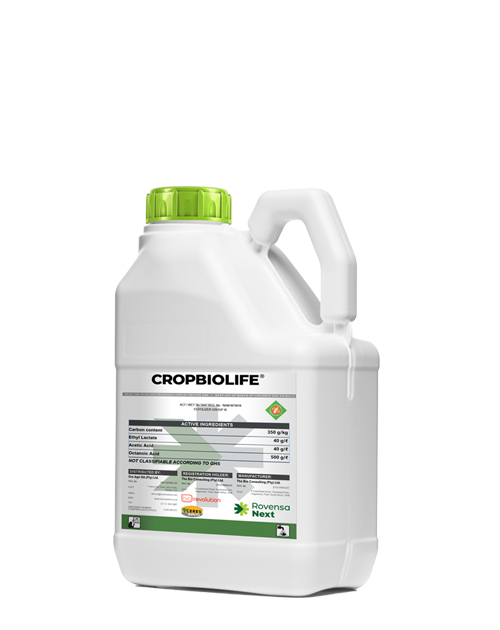
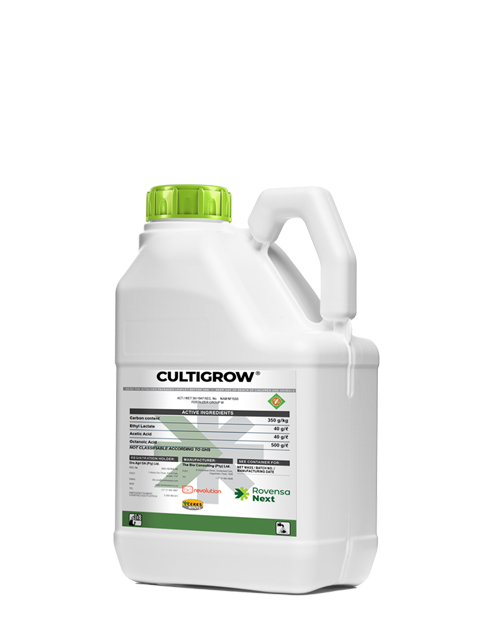
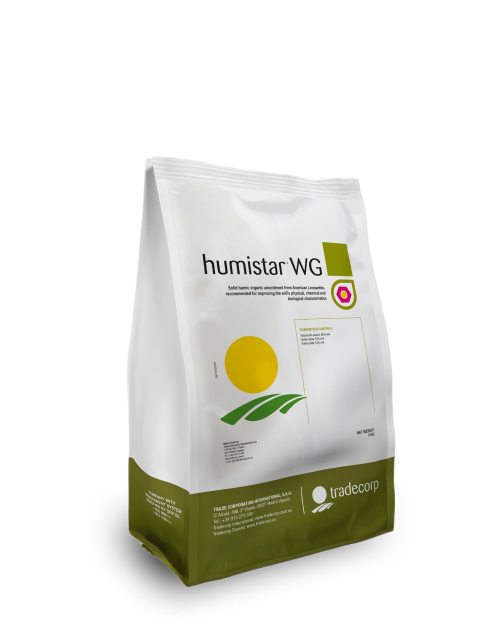
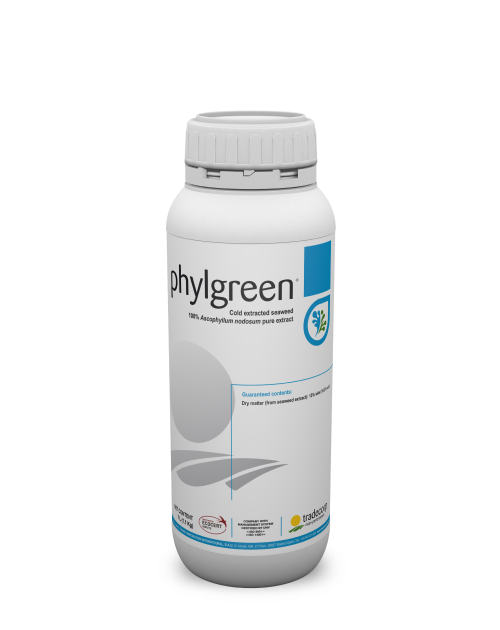
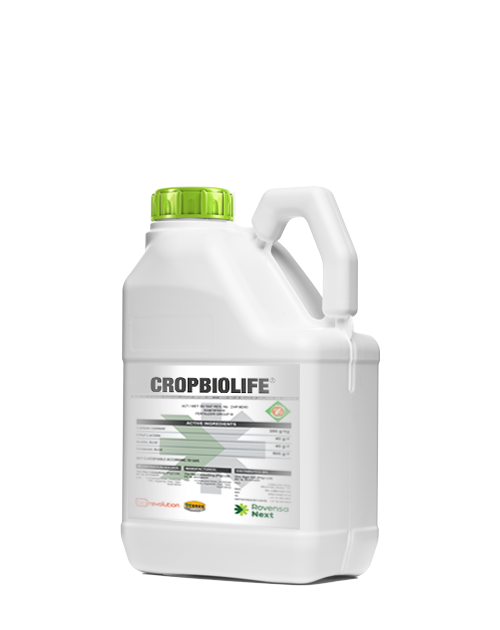
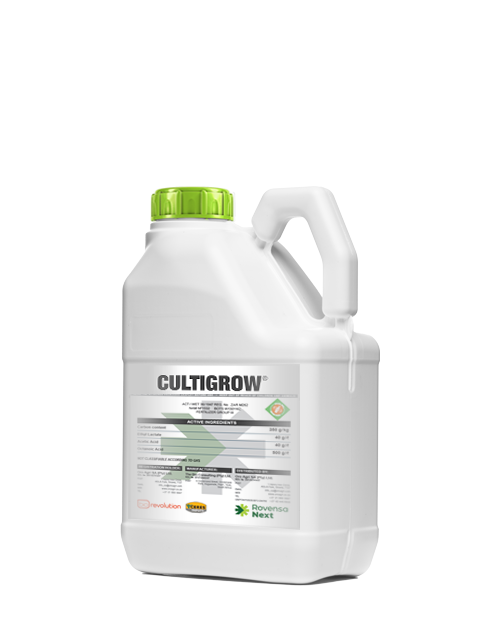
Biostimulants are substances that activate natural processes in plants to enhance nutrient uptake, improve tolerance to abiotic stress, and increase crop quality. They support plant vitality without directly acting against pests or diseases.
Improves plant resilience to environmental stress.
Enhances nutrient use efficiency.
Supports better yield quality and soil-root interaction.
Biostimulants are substances that activate natural processes in plants to enhance nutrient uptake, improve tolerance to abiotic stress and increase crop quality. They support plant vitality without directly acting against pests or diseases. They improve plant resilience to environmental stress and enhance nutrient use efficiency, supporting better yield quality and soil-root interaction.
What are the benefits of using agricultural biostimulants?
Biostimulants help improve nutrient use efficiency, increase plants’ resilience to environmental stress like drought or salinity and enhance crop quality and productivity. They contribute to more sustainable farming by supporting vigorous plants, improving soil structure, and reducing the need for synthetic inputs.
Why are biostimulants important in sustainable agriculture?
Biostimulants offer an effective, nature-based solution to improve crop productivity while reducing agriculture’s environmental footprint. They support soil vitality, resource use efficiency and aid in reducing the reliance on synthetic chemical inputs, helping farmers meet the challenges of climate change and food demand with more resilient crops.